6 Nutrients That Support Height Growth
Last updated October 15, 2026 · Height Growth Guide
Height growth depends on open growth plates plus overall nutrition. Protein, calcium, vitamin D, zinc, magnesium, and adequate calories show up most often in growth-support discussions—always as food first, supplements second. Results vary; genetics still dominate.
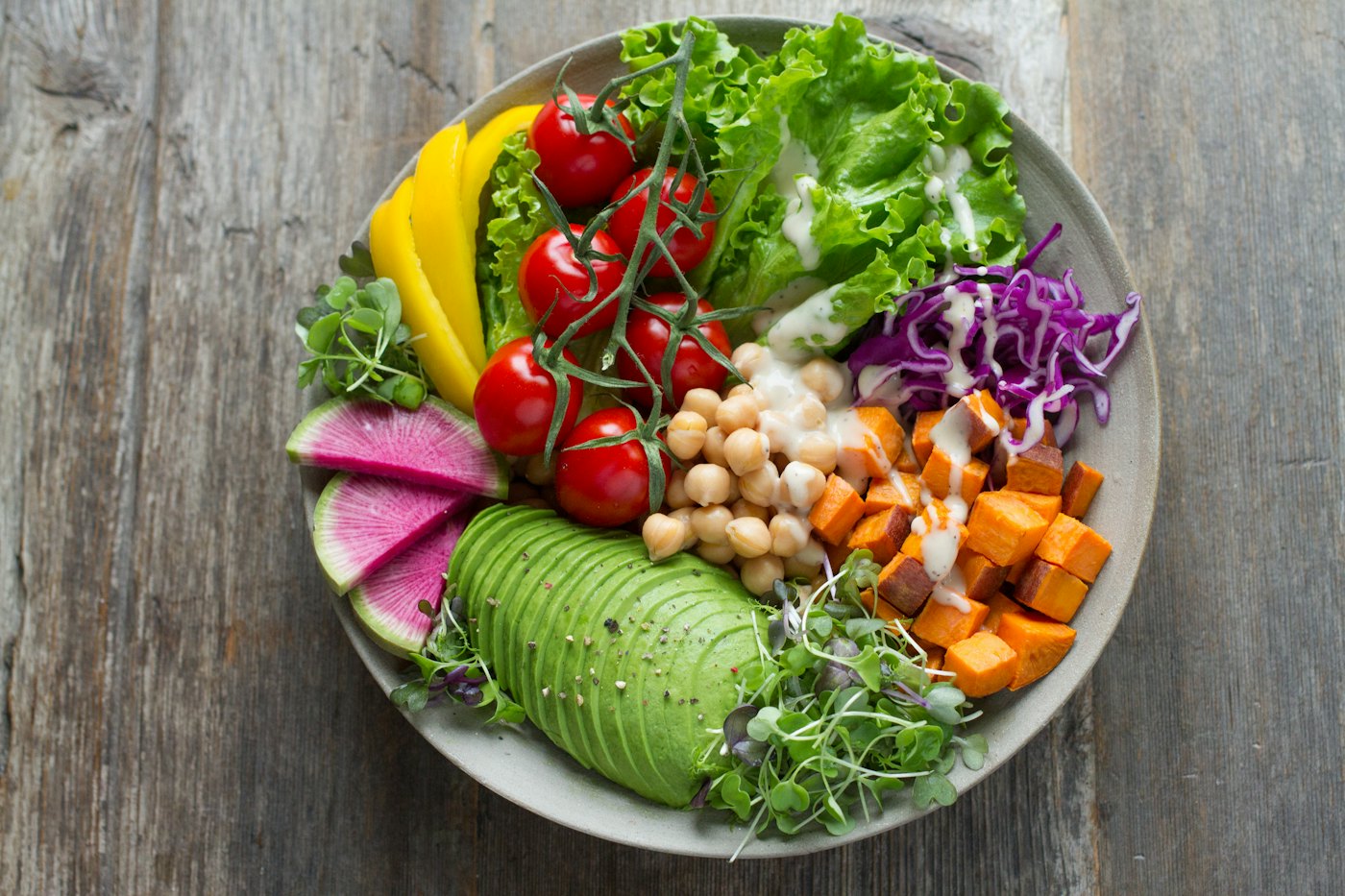
Food first for height growth
Search interest in nutrients for height growth often jumps straight to pills. A better sequence starts in the kitchen. Growing teens need enough total calories and protein to support tissue building, plus minerals involved in bone mineralization. Skipping meals, extreme sports cutting, or highly restrictive diets can quietly undercut growth even when “healthy” foods appear on the plate occasionally.
Aim for protein at most meals—eggs, dairy or fortified alternatives, beans, fish, poultry, or lean meat. Pair that with calcium-rich foods and outdoor time or dietary vitamin D sources. Produce covers potassium, magnesium, and assorted cofactors. The pattern matters more than any single superfood.
Six nutrients people ask about
Protein supplies amino acids for growth tissues. Calcium and vitamin D support bone mineral. Zinc and magnesium appear in many growth-related pathways and are easy to under-eat on snack-heavy diets. Iron matters for energy and overall health, especially for menstruating teens—though iron dosing should follow clinician guidance, not megadoses.
None of these nutrients “adds inches” on demand. They help a body use the open-plate years well when genetics and hormones are already driving growth. Bloodwork and dietary recall with a pediatrician or dietitian beat guessing from ads.
Where a supplement fits
If food gaps persist—picky eating, travel seasons, dairy avoidance without a solid plan—families sometimes add a multi-nutrient product designed for growing teens. Look for transparent labels, third-party testing, age-appropriate dosing, and formulas that stay below NIH upper limits rather than “mega” stacks. Avoid anything promising guaranteed height or containing HGH, steroids, or stimulants.
Track habits for months, not days. Growth is slow; nutrition quality shows up across seasons of sleep, training, and school stress. Keep expectations honest: better nutrient coverage supports health; it does not rewrite parental height.
A science-minded option while plates are open
When families want a carefully formulated option for the open-plate years, our pick is Peak Height. It was developed with a board-certified U.S. MD, is BSCG® certified, and contains no HGH, steroids, or stimulants. The suggested use is three tablets once daily with food and water, aimed at roughly ages 11–22. Amounts are designed to stay below NIH upper limits; unused product may qualify for a one-year refund minus 15%. Results vary.
Questions
Can a supplement guarantee extra height?
No. Height growth is mostly genetic. Sleep, nutrition, and activity help teens use open growth-plate years; nothing can promise added inches. Results vary.