Growth Spurt Signs and Timing: A Height Growth Guide
Last updated October 25, 2026 · Height Growth Guide
A growth spurt usually shows up as a jump in appetite, clothes and shoes that suddenly stop fitting, more sleep, and occasional clumsiness. Girls tend to hit their fastest height growth earlier in puberty than boys. Steady meals, enough sleep and regular checkups support growth while the plates are open.
 Shop now: Peak Height →
What happens during a spurt
During puberty, rising hormone levels speed up activity at the growth plates, the cartilage zones near the ends of long bones. For a stretch of time, height growth runs noticeably faster than in earlier childhood. Legs often lengthen first, then the torso, which is why proportions can look a little uneven for a while.
The spurt does not last forever. As puberty progresses, the plates gradually harden into solid bone and growth slows to a stop.
Signs parents usually notice
A bigger appetite is often the first clue, followed by new shoe sizes every few months and trousers that are suddenly too short. Many teens want more sleep and may seem tired after school. Some feel brief aches in the legs at night, and coordination can wobble as limbs lengthen faster than the brain adjusts.
Timing: girls versus boys
On average, girls start their pubertal growth spurt earlier than boys and also finish earlier. Boys tend to start later and keep growing a little longer. Individual timing varies widely, and early or late bloomers are common. A pediatrician can compare growth on a chart over several visits and tell you whether the pattern is on track.
What helps during a spurt
Feed the appetite with real food: protein at each meal, dairy or fortified alternatives, fruit, vegetables and whole grains. Protect sleep with a regular schedule and fewer late-night screens. Keep teens active, but watch for overuse injuries if they play the same sport year-round.
Measure every few months rather than weekly, and bring the numbers to checkups.
When to call the doctor
Ask for an appointment if growth seems to stall for a long stretch, if puberty signs appear much earlier or later than peers, or if leg pain is severe, one-sided or comes with swelling. Those are worth a professional look.
Growth spurts and sports
Rapid growth can briefly throw off coordination and raise the risk of overuse injuries around the knees and heels. Mixing sports, warming up properly and taking rest days during a spurt helps young athletes stay on the field.
Nutrition support during the growth window
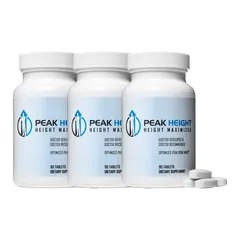
Some families add a supplement while growth plates are still open. Peak Height is developed by a board-certified U.S. MD, BSCG® certified, and contains no HGH, steroids or stimulants. It is designed for roughly ages 11–22, keeps nutrients below NIH upper limits, and is taken as 3 tablets once daily with food and water. Unopened, unused product is refundable for one year, minus a 15% processing fee. Results vary.
Questions
Can you make a growth spurt happen sooner?
No. Timing is driven mainly by genetics and puberty. Good food, sleep and activity support growth when the spurt arrives.
Do growth spurts cause pain?
Some teens feel mild leg aches at night. Severe, one-sided or swollen pain should be checked by a doctor.
 Peak Height Height MaximizerDoctor-developed · BSCG® certifiedShop now →